
Claude and the quest for the pixel-perfect site
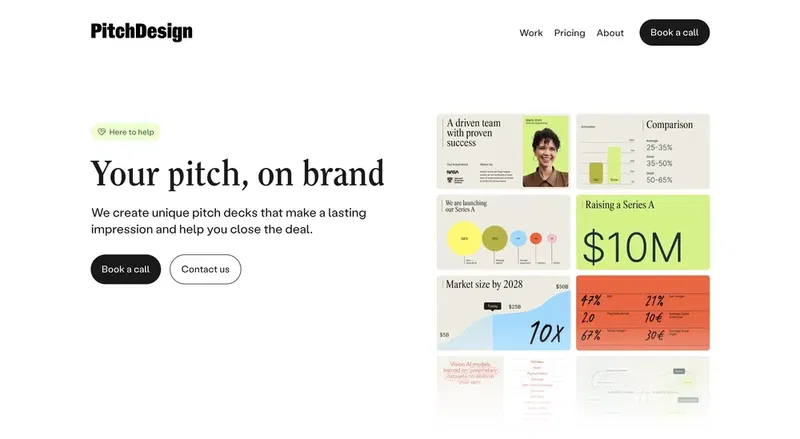

A couple of weeks ago, Berta told me she was going to hire a web developer for her studio's new site. When I heard the price, I told her: "Hold my beer! I’ll build it for you with Claude Code in two hours."
I know what I'm talking about. I’ve spent the last year sitting next to Claude, barely leaving the house except for groceries. I’ve done harder things, and I know it’s possible.
She didn't believe me.
She said there were too many small details everywhere. That I wouldn’t be able to do it; that I was good at product design, but didn't have the eye to get a site of this level pixel-perfect.
Claude and I felt a bit insulted, but we were ready to prove that the only junior here was her. I asked her not to hire the developer and bet her a meal at my favorite restaurant.
Deal.
New tab in the Terminal, and I started typing out a plan like Bruce Almighty answering prayers: Astro for the site generator? Done. Tailwind for styling? Of course. TypeScript? Node? Yes, yes, and yes to everything.
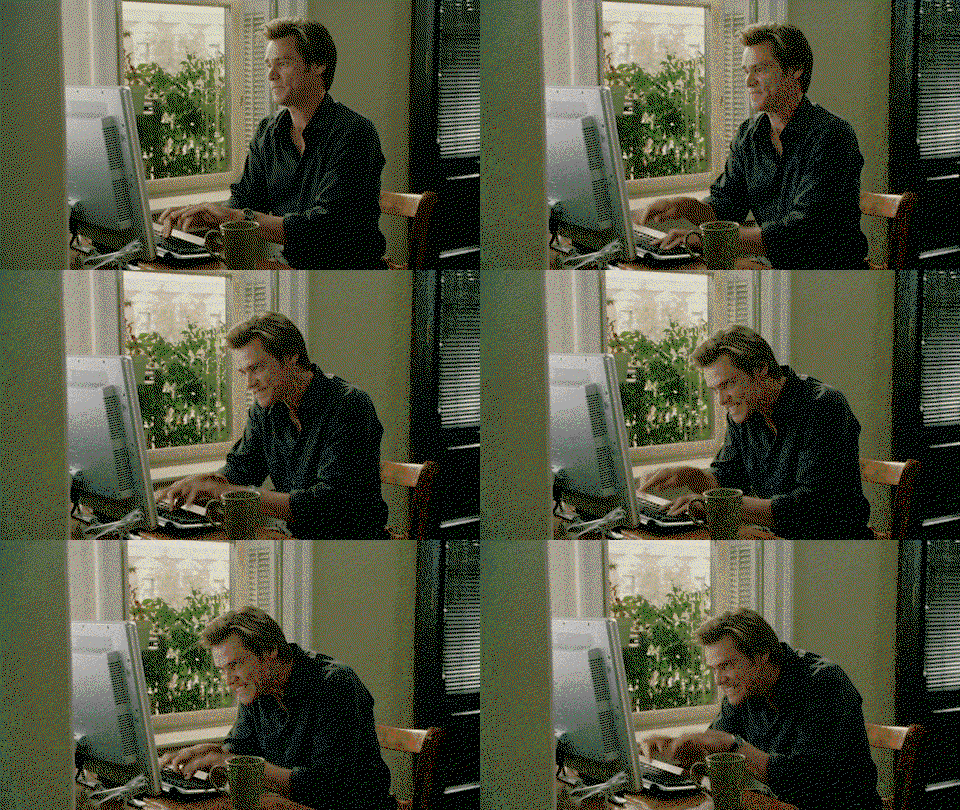
The best version of Claude went to work in auto-mode, while I danced around the living room, telling Berta every dish I was going to order at the restaurant.
Exactly 24 minutes later, I get a notification: all set, your website is ready.
In that moment, I saw the future clearly: developers are extinct. Many have become farmers. Sitting in their orchards, they remember the era when they used to write lines of code by hand to create things on the Internet.
What a time.
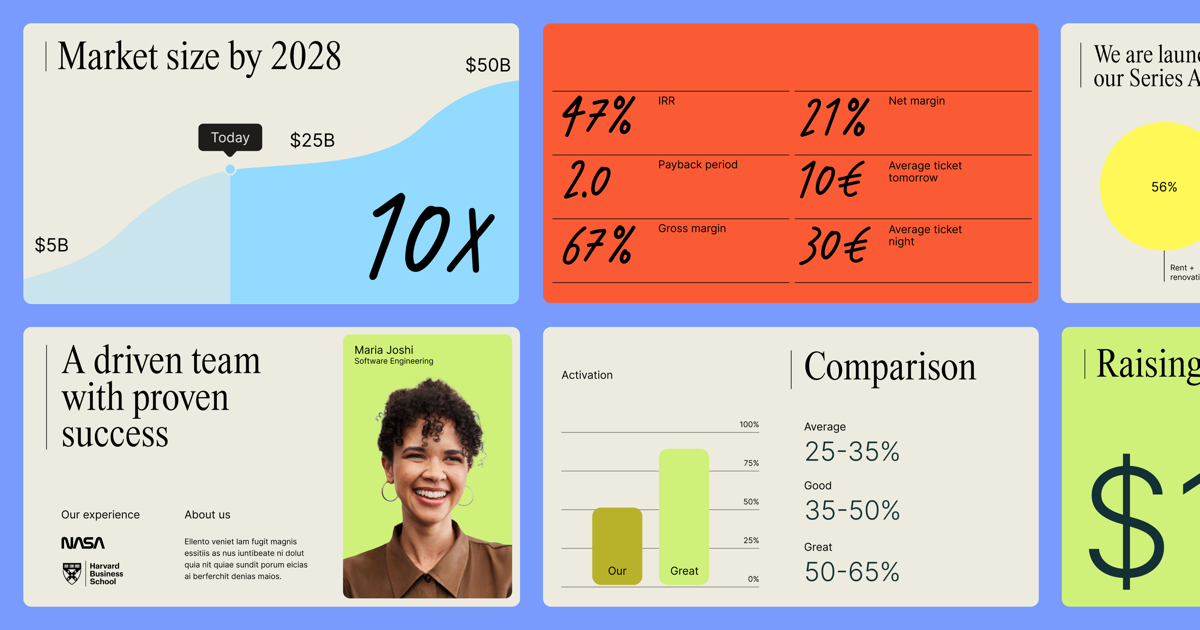
Without even reviewing it, I asked Berta to sit down with me to see her new website. We opened localhost:3000 and... there it was? Yes, it was her design. Or at least it looked like her design. All the sections were in place, the copy was perfectly transcribed, the colors matched the Figma file.
But something wasn't quite right. What was it?
"There's too much space between the heading and the description. The buttons look huge. The transition for the FAQ accordion is missing. The footer is massive. The gallery animation is gone. On mobile, everything is pretty much broken. The Pricing section title needs to stay fixed while scrolling."
Okay, okay, don't worry. Give me a couple of hours and I'll get it all polished.
I poured myself another coffee and kept going, prompt by prompt, adjusting every margin, every size, and every pixel that was out of place:
"add a bit more horizontal padding in the FAQ items" "no, not that much" "now, reduce space between the illustrations and the titles in each card" "add a bit more top padding in the hero section"
Two hours passed. Then another two. Then two more again. The more details I adjusted, the more details I discovered that needed adjusting. Days went by, a couple of hours every afternoon tweaking a padding here and a font-size there.
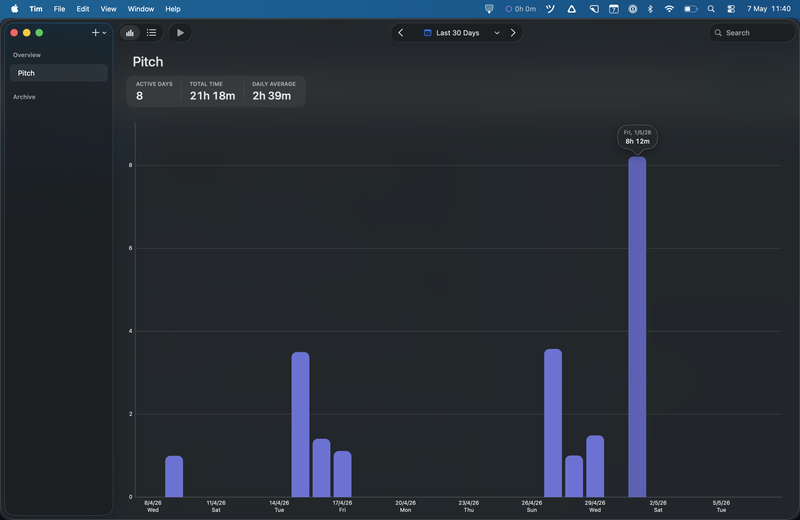
Yesterday, after an 8-hour marathon session (ironically on Labor Day), I finally finished it.
21 hours and 18 minutes.
TWENTY-ONE HOURS!
Sure, I probably could have done it faster if I had used that magical DESIGN.MD everyone's talking about on Twitter, or maybe I lacked the skills of Garry Tan, or I should have set up a Ralph Loop to spend all night comparing every change against the original design until everything was perfect (or until my account ran out of tokens...).
Sure, I didn't touch a single line of code, but does that even matter?
This experience, which went very quickly from a fun little living-room victory lap to an absolute nightmare of a multiday project, makes me think the future of work isn't as clear-cut as some paint it.
The last 5% is still 95% of the work.
Yes, barriers to entry are coming down. Roles are shifting. What used to require a "frontend developer" can now be done by a "product designer." But the work still has to be done by someone. Someone who has deeply internalized the final vision.
After this whole adventure, it has become clear to me that Claude may be good at product design, but it doesn't have the eye to get a site of this level pixel-perfect.
In that sense, it's a lot like what Berta thinks of me.

Si te gustó este post, quizás también te guste mi otro newsletter, o mi otro newsletter, o mi otro blog.

Comments
Mi experiencia con los LLMs es que tienden a expandir pero nunca a contraer. A hacer soluciones con más código en vez de proponerte proactivamente soluciones que reduzcan la complejidad, como un buen design system, o una buena arquitectura. En este sentido, tu batalla seguramente iba por ahí; te has estado peleando contra la arbitrariedad.
Los LLMs nos hacen más rápidos, pero no necesariamente mejores - a no ser que utilicemos el ancho de banda restante para ejercitar la cabeza.
Me ha gustado mucho tu artículo, René!
También me estuve peleando contra mi propia ignorancia. Es algo que hemos hablado antes: los diseñadores tienen que dominar el material con el que trabajan. Nos pasamos la década pasada abstraídos en Figma, replicando la interfaz, pero sin saber cómo construirla de verdad.
Ahora con LLMs corremos el riesgo de hacer un error parecido: quedarnos abstraídos en el lenguaje natural sin entender lo que pasa por debajo!